





Amazon Prime Video recently sparked widespread controversy after silently rolling out AI-generated English dubs for several popular anime titles, including “Banana Fish,” “No Game, No Life Zero,” “Vinland Saga,” and “Pet” anime. The move drew immediate and strong criticism from fans and professional voice actors alike, leading Amazon to quietly remove most of the offending dubs.
The Rollout and Immediate Fan Reaction
The AI English dubs began appearing on Amazon Prime Video without any official announcement, with users noticing “English [AI beta]” options in the audio settings over the past few days. Clips of the AI-generated voices quickly circulated on social media, showcasing what many described as generic, unexpressive, robotic, and even glitchy performances that were completely disconnected from the emotional weight of the scenes.
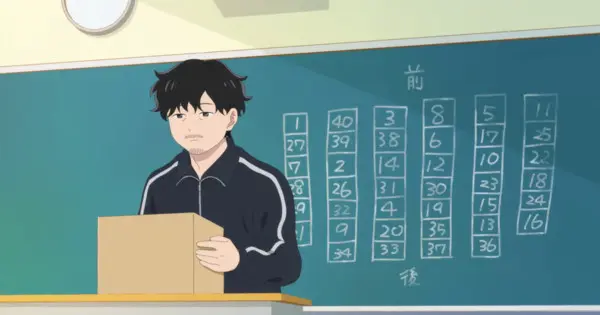
For “Banana Fish” in particular, a series known for its intense narrative and emotional depth, the AI dub was seen as a significant insult, especially given that fans had awaited an official English dub for years since its 2018 anime adaptation. The poor quality of these dubs was a central point of contention, with many arguing that they stripped away the artistry and impact of the original works.
Outcry from Voice Actors and Industry Professionals
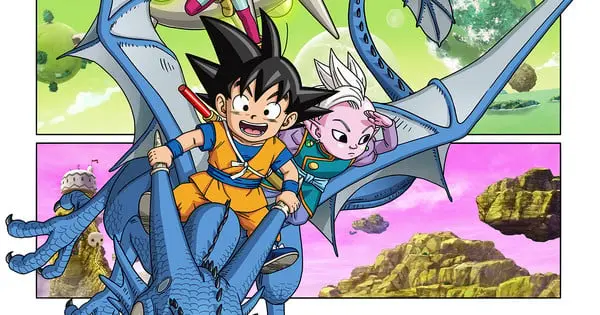
The introduction of AI dubs provoked a furious response from the voice acting community, who viewed Amazon’s actions as a direct threat to their livelihoods and the quality of their craft. Daman Mills, a prominent voice actor known for his role as Frieza in “Dragon Ball Super,” was particularly vocal, stating on social media, “Amazon’s choice to use AI to dub Banana Fish is a massive insult to us as performers. AI continues to threaten livelihoods of performers in EVERY language.” Mills, along with other voice actors like Damien Haas, announced they were canceling their Amazon Prime subscriptions in protest, leading to calls for broader boycotts.
Industry commentators and professional actors emphasized that the issue was not merely a technical malfunction, but a profound concern regarding labor rights and the human element in creative work. Many pointed out the irony of a multi-trillion-dollar corporation attempting to cut costs by replacing human talent with subpar AI, especially when anime’s popularity is at an all-time high.
Amazon’s Retreat and Lingering Questions
In response to the “vociferous” backlash on social media, Amazon Prime Video has quietly removed the AI-generated English dubs for “Banana Fish,” “No Game, No Life Zero,” and “Vinland Saga.” As of December 3, 2025, the English dub for the “Pet” anime was also removed. However, some AI-generated Spanish dubs for “Banana Fish” and “Vinland Saga” reportedly remained available for a time.
Amazon has yet to issue an official statement regarding the AI dubs or their removal. This lack of transparency has left many questioning Amazon’s intentions and future strategies regarding AI in its streaming services. While the immediate removal of the English AI dubs can be seen as a victory for fan and industry advocacy, the incident highlights ongoing tensions surrounding the integration of AI in creative fields and the critical role of human artistry.
Broader Implications for AI in Entertainment
This incident is not Amazon’s first foray into AI-aided features; the company has previously tested AI-generated movie recaps and recommendations. In March 2025, Amazon teased an “AI-aided” dubbing feature for a small selection of movies in English and Latin American Spanish, though it made no mention of anime at the time. The abrupt rollout on beloved anime without prior notice suggests a testing phase that backfired dramatically.
The controversy also follows a similar, though less direct, incident with Crunchyroll, where fans noticed AI-generated subtitles. These events underscore a growing concern among creators and consumers about the ethical implications and potential devaluation of human creative work in the age of AI. Japanese government officials and content trade groups, including Studio Ghibli, have also expressed concerns about AI’s use in training without permission and its potential for copyright infringement. While Amazon has seemingly backed down for now, the debate over AI’s role in dubbing and other creative processes in the entertainment industry is far from over.