



Episode 13 of Tojima Wants to Be a Kamen Rider, titled “Futaba Explodes With Hatred and Resentment Toward Her Brother,” delivers a potent blend of raw emotion and character-driven conflict, pushing the series’ core themes of delusion versus reality to the forefront. This pivotal installment aired on Sunday, December 28, 2025, and plunges deep into the long-simmering animosity between Ichiyo Shimamura, the self-proclaimed Kamen Rider V3, and his younger sister, Futaba, revealing layers of trauma and misunderstanding that have shaped their lives.
At its heart, Tojima Wants to Be a Kamen Rider explores the fervent dreams of adults who are deeply infatuated with the classic Kamen Rider franchise, transforming their pretend play into a serious, real-world endeavor when confronted by a “Fake Shocker” crime wave. Tanzaburo Tojima, a 40-year-old construction worker, embodies this struggle, having trained his entire life to become a Kamen Rider. Episode 13, however, shifts its focus to Ichiyo, a key ally, and the profound impact his chosen identity has had on those closest to him.
The Explosive Confrontation: Futaba’s Fury Unleashed
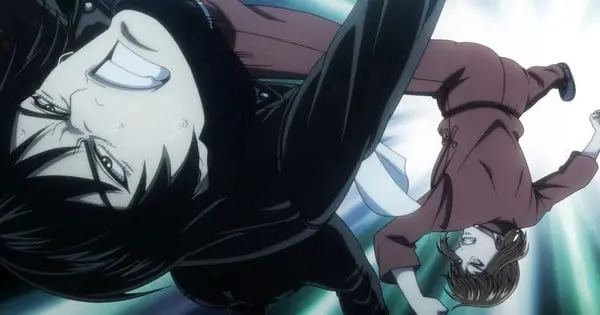
The episode ignites in the aftermath of a battle at Futaba’s izakaya, a private room left in disarray after a clash with Nakao. Amidst the chaos, Futaba appears, consumed by an intense rage. Her brother, Ichiyo, instinctively flees, but Futaba relentlessly pursues him, leading to an inevitable, head-on collision. This confrontation is not just physical; it’s an emotional eruption, as Futaba unleashes years of deep-seated resentment and hatred towards Ichiyo.
Their fight is a central spectacle, highlighting the stark contrast between Ichiyo’s performative heroics and Futaba’s visceral, earned strength. Futaba’s fighting style is notably unique, characterized by kicks and knees, using her hands primarily for blocking or vaulting, and often employing aerial attacks. This isn’t just a sibling squabble; it’s a battle to force Ichiyo to acknowledge the pain he has inflicted.
Ichiyo’s Delusions and Unacknowledged Trauma
Ichiyo’s character is explored with significant depth in this episode, revealing that his “Kamen Rider V3” persona is rooted in immense childhood trauma. As a child, he witnessed not only the attempted murder of neighbors but also the actual murder of his grandparents, along with a Shocker deserter and his girlfriend. Compounding this horror, he found that no one believed his account of events, save for his younger brother, Mitsuba.
This profound trauma led Ichiyo to a powerful, self-preserving delusion: Shocker was real, and it was his and Mitsuba’s duty to defeat them, much like their favorite hero, Kamen Rider V3. Since then, Ichiyo has lived within this fabricated reality, casting himself as a Kamen Rider and those around him as supporting characters in his epic. This worldview prevented him from recognizing the impact of his actions, believing any anger or resentment from others to be fleeting, much like minor conflicts in a Kamen Rider episode that are resolved by the end. He failed to grasp that Futaba’s resentment had festered for years without an outlet. While Shocker was the antagonist in his life, Ichiyo had unwittingly become the villain in hers.
Futaba’s Strength and the Enigmatic “Tiger Master”
Futaba’s impressive fighting prowess is not merely a manifestation of her rage; it’s the result of intense training. The episode introduces “Tiger Master,” a masked woman who taught Futaba martial arts. Futaba’s dedication to this training was driven by a childhood desire to “kill her brother” due to the hatred she harbored. This backstory provides critical insight into the depth of her animosity and the lengths she went to cope with her brother’s actions.
The confrontation with Ichiyo serves as a catalyst for Futaba, pushing her to acknowledge her true feelings and potentially step into a larger conflict. A significant plot twist reveals that “someone wants Tiger Master dead,” and a “spider dude” (later identified as Kumota) has been hired as a hitman for this purpose. This external threat directly impacts Futaba, who, upon finding Tiger Master in danger, puts on a mask herself, ready to challenge Kumota. This development hints at Futaba’s potential transformation into a more active combatant, and potentially, her forced acceptance of the “Shocker” reality that her brother so adamantly believes in.
Themes of Delusion, Reality, and Sibling Bonds
Episode 13 masterfully intertwines themes of delusion, the harshness of reality, and the complex tapestry of sibling relationships. Ichiyo’s inability to distinguish his Kamen Rider fantasy from real-world consequences has deeply scarred Futaba. His unwavering commitment to his identity as V3, even in the face of his sister’s intense hatred, underscores the power of his delusion, born from unaddressed trauma. The episode portrays the painful process of a sibling forcing another to confront uncomfortable truths, even if it means resorting to physical combat.
Futaba’s journey, from a resentful sister training in secret to a potential combatant against a real threat, signifies a shift in her understanding of her world. The revelation that “Shocker” and similar threats might indeed be real (or at least, that her brother’s obsession is intertwined with genuine danger) marks a significant turning point for her character.
Future Implications
The conclusion of Episode 13 leaves viewers on a cliffhanger, with Futaba poised to confront Kumota, the hitman targeting her mentor, Tiger Master. This not only elevates Futaba’s role within the narrative but also further blurs the lines between Ichiyo’s “pretend” world and the dangerous reality unfolding around them. The episode effectively sets the stage for Futaba to potentially become a more active participant in the ongoing fight against “Shocker,” a reality she previously refused to acknowledge in favor of blaming her brother for their family’s misfortunes. This confrontation may finally force her to believe in the “Shocker” that Ichiyo has been fighting for so long.
Conclusion
Tojima Wants to Be a Kamen Rider Episode 13 stands out as a powerful character study, particularly for Ichiyo and Futaba Shimamura. By dissecting their deeply fractured sibling bond, the episode explores the profound impact of unresolved trauma and the dangerous allure of delusion. Futaba’s explosive confrontation with Ichiyo, driven by years of resentment and fueled by her rigorous training under the mysterious “Tiger Master,” forces a painful reckoning. As Futaba prepares to face a real-world threat, the episode masterfully bridges the gap between the fantastical world of Kamen Rider and the raw emotional truths of human relationships, promising significant developments for the series moving forward.