
TOKYO, Japan – The highly anticipated season finale of the anime series “SANDA,” Episode 12, aired on December 20, 2025, culminating in a dramatic and emotionally charged conclusion that left viewers reeling. Titled ‘Pale Blue Pall,’ the Science SARU-produced anime transitioned from its quirky premise into one of the year’s most heartbreaking series, tackling themes of identity, sacrifice, and the harsh realities of growing up.
A Confrontation Under Duress: Sanda vs. Oshibu
The finale plunged into an intense public event, dubbed a “Santa purge,” where the protagonist, Sanda, was forced into a brutal battle against a horde of students by Tetsume’s shadowy committee. Amidst this chaos, Sanda directly confronted Oshibu, who appeared in a mutated form described as a “mountain of muscle and scars,” and revealed his true identity to the assembled students.
The fight between Sanda and Principal Oshibu was central to the episode, serving as a thematic measure of Sanda’s growth and the distance he still has to go. While Oshibu ultimately triumphed in the battle, his unwavering convictions and motivations highlighted Sanda’s ongoing struggle with self-identity and his place within his community. The battle itself, while competently animated, was noted for its thematic depth rather than its straightforward choreography.
Ono’s Tragic Farewell and Fuyumura’s Confession
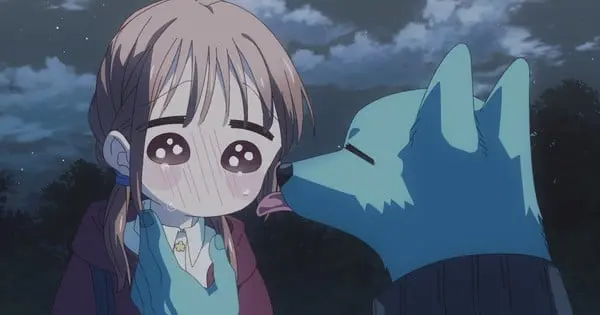
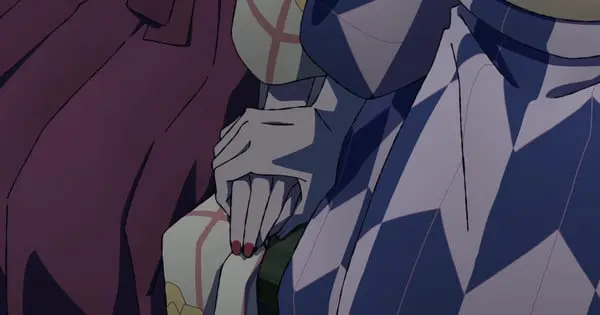
Perhaps the most poignant moment of the finale centered on the character Ono Ichie. Due to rapid puberty, Ono’s body began to rapidly deteriorate. In a heart-wrenching scene, Fuyumura finally confessed her true feelings to Ono just moments before Ono succumbed to her accelerated aging and passed away. This tragic event served as a symbolic representation of societal pressures on young women and left Fuyumura devastated.
Ono’s death was a stark and unexpected development, fulfilling a wish she had made to Santa for Fuyumura’s “after-care” to ensure she wouldn’t cry alone. The episode concluded with Sanda comforting a grieving Fuyumura, bringing their relationship to a new, more mature phase, even as they faced profound loss.
Exploring the Painful Transition to Adulthood
“SANDA” has been lauded for its honest exploration of the uncomfortable aspects of being a young person, and the finale reinforced these themes. The characters, Sanda and Fuyumura, ended the season in a significantly more challenging position materially, yet with greater clarity about themselves and their journey into adulthood. Ono’s rapid aging and subsequent death underscored the overwhelming expectations and suffering that can accompany the transition from childhood.
The series finale left many questions about the “Santa thing” largely unformed, including the reasons for Santa’s existence and the importance of children’s belief. However, it powerfully conveyed the struggles, losses, and growth inherent in the path to maturity.
An Open Ending and the Road Ahead for “SANDA”
Despite the emotional finality for some characters, the anime adaptation concluded after exactly 43 of the manga’s 142.5 chapters, leaving many narrative threads unresolved. Reviewers noted that the ending felt more like an intermediate stop than a definitive conclusion, suggesting that further resolution would require delving into the source manga.
The “SANDA” season finale delivered a powerful, albeit bittersweet, ending to its first animated season, cementing its place as a thought-provoking and emotionally resonant series. While the future of the anime remains uncertain, its conclusion has undoubtedly sparked discussion among fans about its themes and characters.