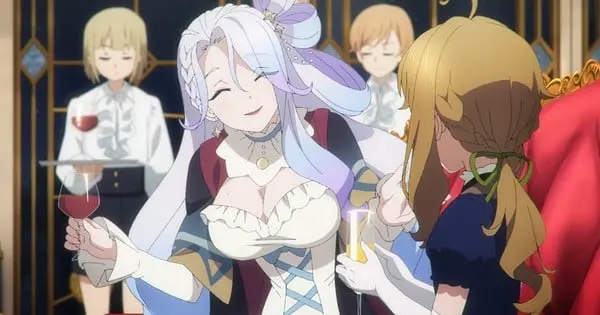

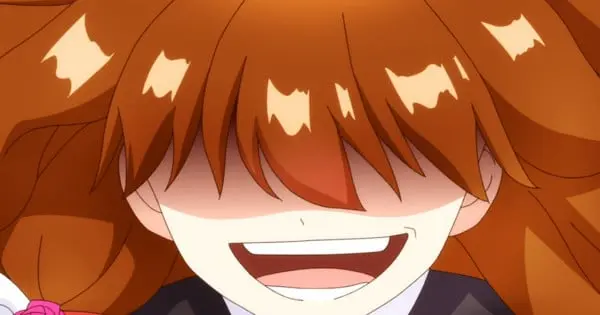
For fans immersed in the world of Iana Magnolia, the titular villainess of The Dark History of the Reincarnated Villainess, Episode 9, titled “Self-Evaluations Are Unreliable,” delivers a whirlwind of escalating tension, unexpected developments, and further unraveling of the original “dark history” Konoha Satou penned in her youth. This installment closes out the “Bloody Rosa” arc, reaffirming the series’ central theme: the difficulty of altering a pre-ordained narrative, even with foreknowledge.
The Shifting Sands of Fate: Plot Overview
Episode 9 plunges back into the immediate aftermath of the Amaryllis residence confrontation, with Iana returning to the palace only to be met with a fresh wave of dangers. The central mystery revolves around a stolen ornament and a mysterious monster egg, intertwined with chaos in Konoha’s room and an uncharacteristically angered Sol. These events propel Iana into a desperate chase to prevent another deadly misunderstanding.
Inspector Cheneau delivers the shocking news of Duchess Amaryllis’s death, revealing she committed suicide. This particular plot point profoundly impacts Iana, as she had believed her earlier intervention had altered the duchess’s fate. The realization that the “story is silently correcting itself” weighs heavily on her, emphasizing the persistent, almost sentient nature of her original “dark history.”
Key Developments and Character Insights
The Aftermath of Amaryllis
The episode confirms the conclusion of the “Bloody Rosa” arc with the Hydrangea Guard’s timely intervention, capturing Lady Amaryllis. Their success is attributed to Konoha’s sudden burst of intuition, which led them to a secret basement. This suggests a nascent awakening of Konoha’s “saint powers,” a destiny hinted at earlier in the series. Even if Iana successfully prevents certain inciting incidents, Konoha’s inherent magical potential remains, a critical factor for the unfolding narrative.
Sol’s Uncharacteristic Anger and Developing Feelings
A significant emotional beat in Episode 9 is Sol’s palpable anger towards Iana for her reckless actions that nearly led to her demise. While outwardly cold to most, Sol’s fierce concern for Iana highlights the depth of his developing feelings, a stark contrast to his role as Iana’s assassin in the original “dark history” prologue. Iana’s internal monologue recognizes that Sol’s gentleness is reserved only for the person he cherishes, a revelation that both comforts and puzzles her. This dynamic underscores the continuous divergence from Konoha Satou’s initial storyline, as characters like Sol, who were once clear-cut villains, now exhibit complex emotions and motivations.
The Persistent “Correction” of the Story
Iana’s attempts to alter her grim fate and protect those around her often lead to unforeseen consequences, pushing the narrative in new, equally perilous directions. The “story correcting itself” is a recurring and chilling element, suggesting that even with foreknowledge, completely escaping the original plot’s gravitational pull is a formidable challenge. The looming threat of the Demon Lord’s awakening, largely unaddressed due to Iana’s focus on immediate survival, serves as a constant reminder of the larger, overarching dangers of her “dark history.”
The Broader Context of The Dark History of the Reincarnated Villainess
The series, based on the Japanese manga written and illustrated by Akiharu Tōka, follows Konoha Satou, an office worker who is reincarnated as Iana Magnolia, the villainess of a novel she wrote in her childhood. Iana’s primary goal is to avoid her original destiny of being killed after attempting to murder her elder sister, Konoha. This often leads to comedic and dramatic situations as Iana tries to navigate and alter a world she herself created, yet struggles to fully control.
“Self-Evaluations Are Unreliable” adeptly showcases the series’ blend of romantic comedy and isekai fantasy, demonstrating how Iana’s efforts to protect Konoha and herself inadvertently change the storyline, while the original plot constantly tries to reassert itself. The episode also subtly explores themes of redemption and power struggles, as Iana grapples with her past villainous actions and the complex dynamics of the world she now inhabits.
As the anime adaptation, produced by Studio Deen, continues its run, episodes like “Self-Evaluations Are Unreliable” are crucial in building the intricate world and character relationships that define The Dark History of the Reincarnated Villainess. The ongoing struggle between free will and destiny, coupled with Iana’s desperate attempts to rewrite her dark history, ensures that each episode offers new insights and unexpected turns.